

Martha Bebinger
-
Fatal overdoses are down in most parts of the country. Worcester, Massachusetts, has seen a dramatic drop in deaths. Officials credit a hands-on approach to helping drug users where they are.
-
There’s no single reason for the slight drop in opioid overdose deaths across most of the U.S. last year. But finding new ways to make Narcan available in public, 24 hours a day, is helping.
-
 Renae was so desperate to keep her child alive when so many others have died from overdose that she resorted to extreme measures — and extreme risks. She now supervises drug use in her own home.
 -
 Vermont and Massachusetts lead the nation, with more than 70% of adults having had at least one dose of the COVID-19 vaccine. Southern states such as Tennessee lag far behind.
 -
 The practice of housing children who are in psychiatric crisis in local ERs — often for days, while they await appropriate in-patient treatment — has become even more prevalent during the pandemic.
 -
 Data from a Boston hospital showed that Latino patients who did not speak English well had a 35% greater risk of death from COVID-19. The hospital has added interpretation capacity.
 -
 From heat-related illness to mosquito-borne infections, physicians are seeing the effects of a warming planet in the exam room. There's a growing push to teach doctors-in-training how to respond.
 -
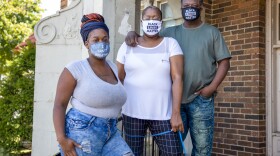 A survey of 17 cities found more than 50,000 pandemic-related eviction filings. Housing advocates worry that increased housing instability will lead to more COVID-19 and other illnesses.
 -
 Doctors are researching why some patients remain unconscious for days or weeks, even after sedating drugs are withdrawn. They also worry that these patients aren't being given time to recover.
 -
 The state offers support and resources for people isolating because of COVID-19 — helping them make choices that keep everyone safe. It's work more states need to fund, experts say.


